Indigenous-Led Impact Assessment Micro-Credential
Building the skills to support land-centered, rights-based, Indigenous-Led Impact Assessment.
Offered by Balance Co-Lab
Certified by UNITAR-CIFAL Victoria, Micro-credential

Why this course?
Current provincial and federal Impact Assessment and Cumulative Effects Assessment processes consistently fail to account for Indigenous values, governance systems and knowledges. In the field of Indigenous-Led Impact Assessment there are few resources available to those who wish to learn the skills necessary to support or develop an assessment process.
This micro-credential was created to fill this need for Indigenous Nations and organizations, as well as the contractors and advisors who support their work. It takes learners through the history of colonization, the landscape of environmental and cumulative impact assessment, and the principles and methods of a truly Indigenous-led approach — including how to apply Indigenous Knowledge alongside western science, and resources for culturally grounded research methods. With 13 expert interviews and 40 hours of learning spread across 8 weeks, this is a course built on relationships, case studies, and accountability to Indigenous self-determination.
Learning Outcomes
Upon completion of this course, you will be able to:
Who should take this course?
dddddddd
Who should take this course?
Indigenous community staff, Indigenous Peoples with interest in Impact Assessment, and Nations’ environmental/guardianship teams
This course was built for you. Gain the skills to support your own assessments, assert your rights, and centre your community’s values and knowledge in every step of the process.
Environmental consultants and advisors working with Indigenous Nations
Deepen your understanding of what Indigenous-led Impact Assessment actually means — and how to support it rather than replicate colonial approaches.
State government staff, regulatory practitioners and corporate professionals who work in the area of Impact Assessment.
Understand how Indigenous-led Impact Assessment aligns with United Nations Declaration on the Rights of Indigenous Peoples (UNDRIP) and goes beyond current legislative frameworks, including the Impact Assessment Act, 2019.
Graduate students and researchers in environmental, legal, and Indigenous studies
Ground your academic work in practice. Learn from leading experts across disciplines and Nations.
Non-governmental organizations and advocacy groups
Build your knowledge base to better support Indigenous-led processes in your campaigns, partnerships, and policy work.
Course Details
Start date: September 7th, 2026

Duration
8 weeks duration
40 hours of coursework

Content
8 podcast-style episodes 13 expert interviews
4 assignments
Weekly readings

Format
Online, asynchronous,
English

Credential
UNITAR-CIFAL Victoria certified

Platform
Online through University of Victoria’s Division of Continuing Studies

Cost
$1475
*Information below about discount
Discount
Indigenous community partners, Indigenous non-profits, First Nation Governments get the course at $300 (approx. 80% off);
Students get 50% off!
Please contact Balance Co-Lab for more information.
ddddddddddddddddddd
Expert Speakers
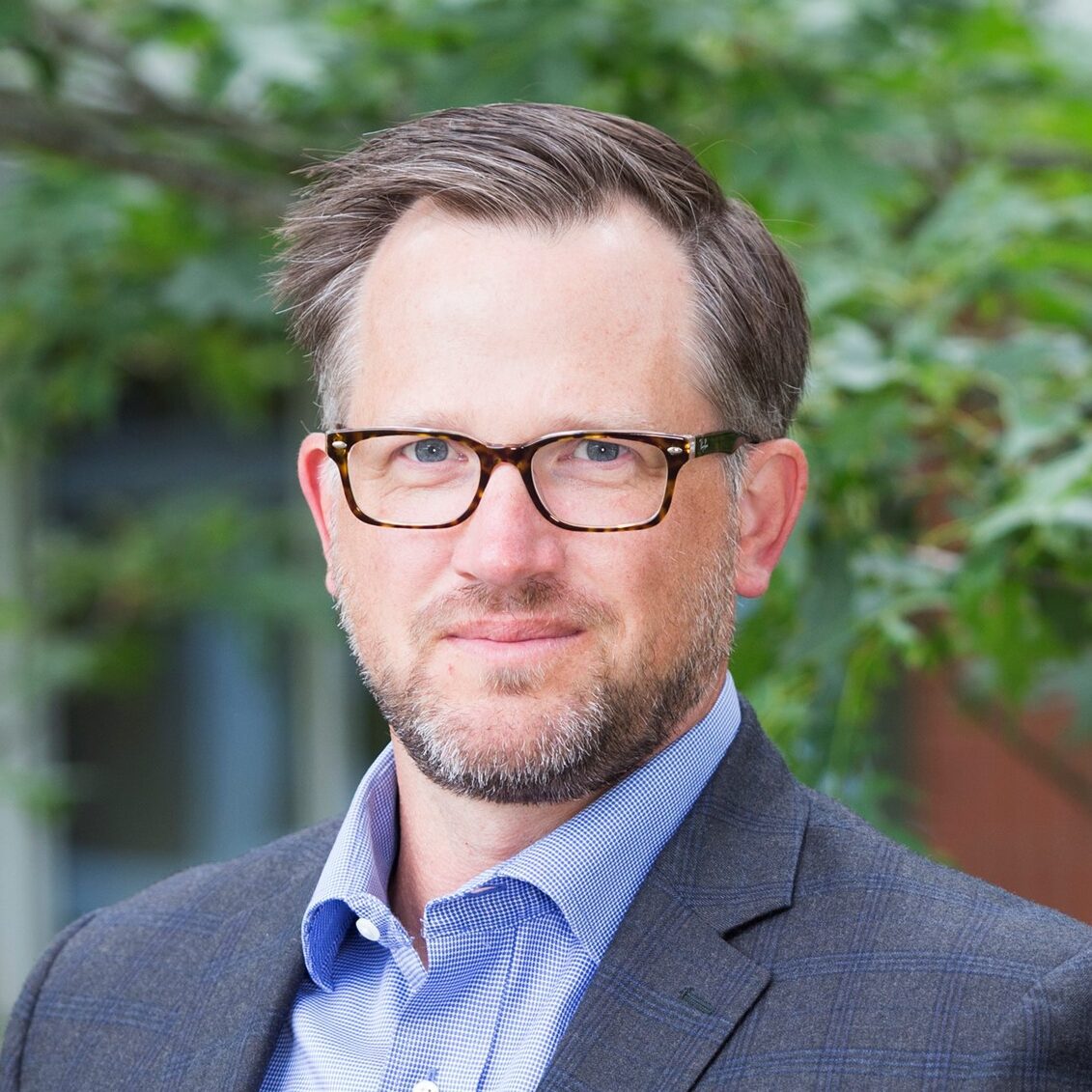
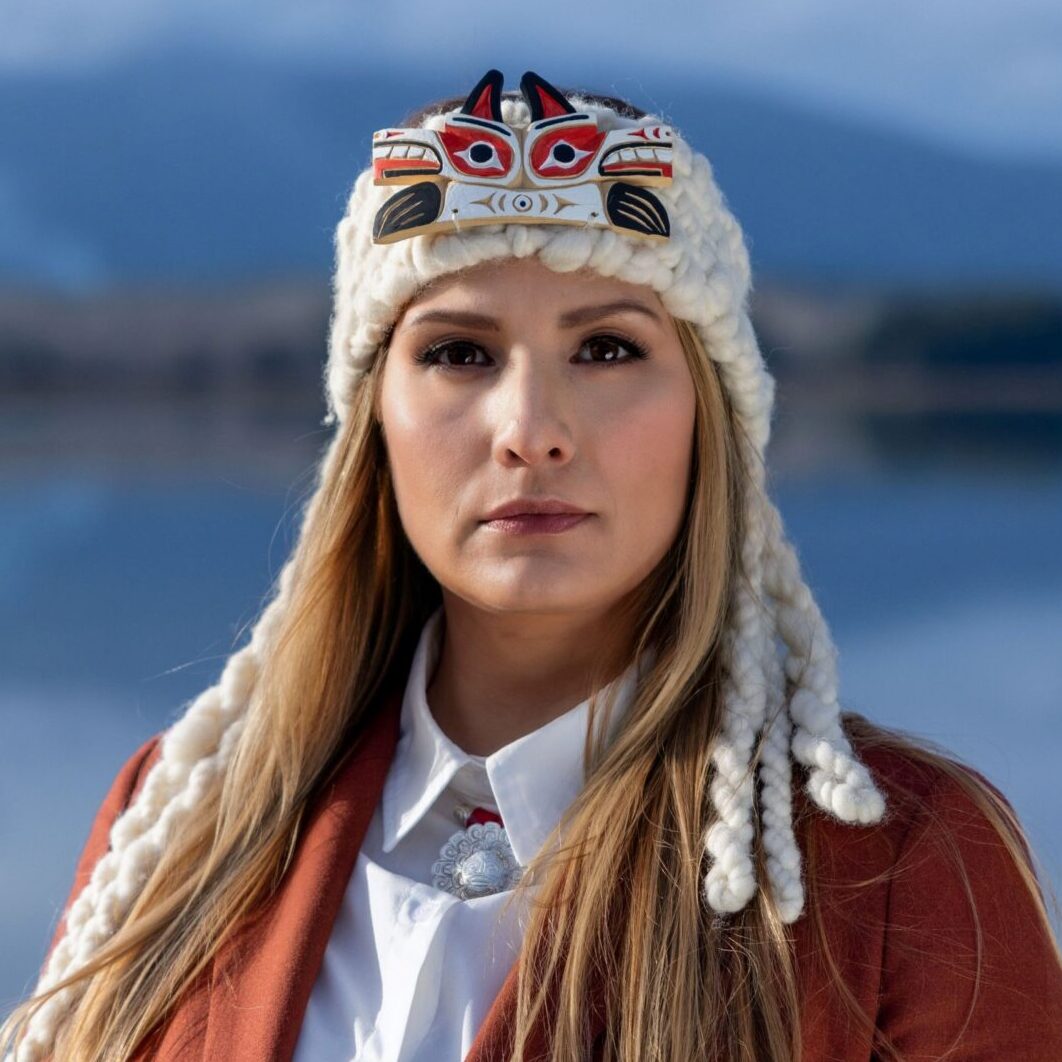
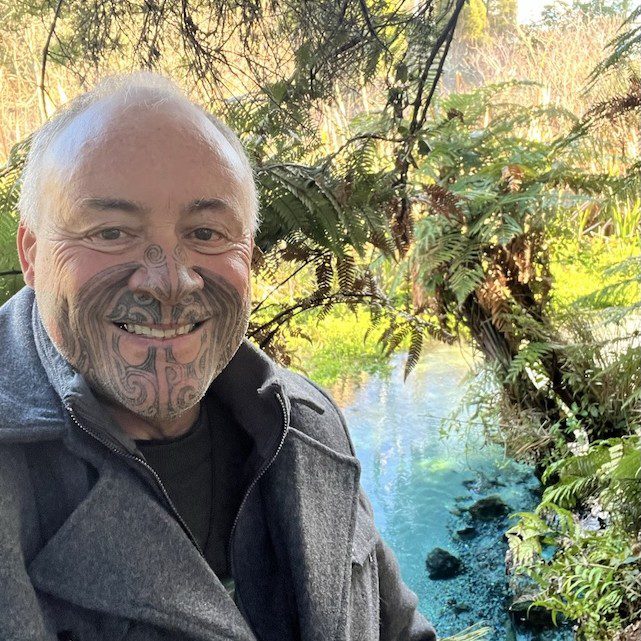
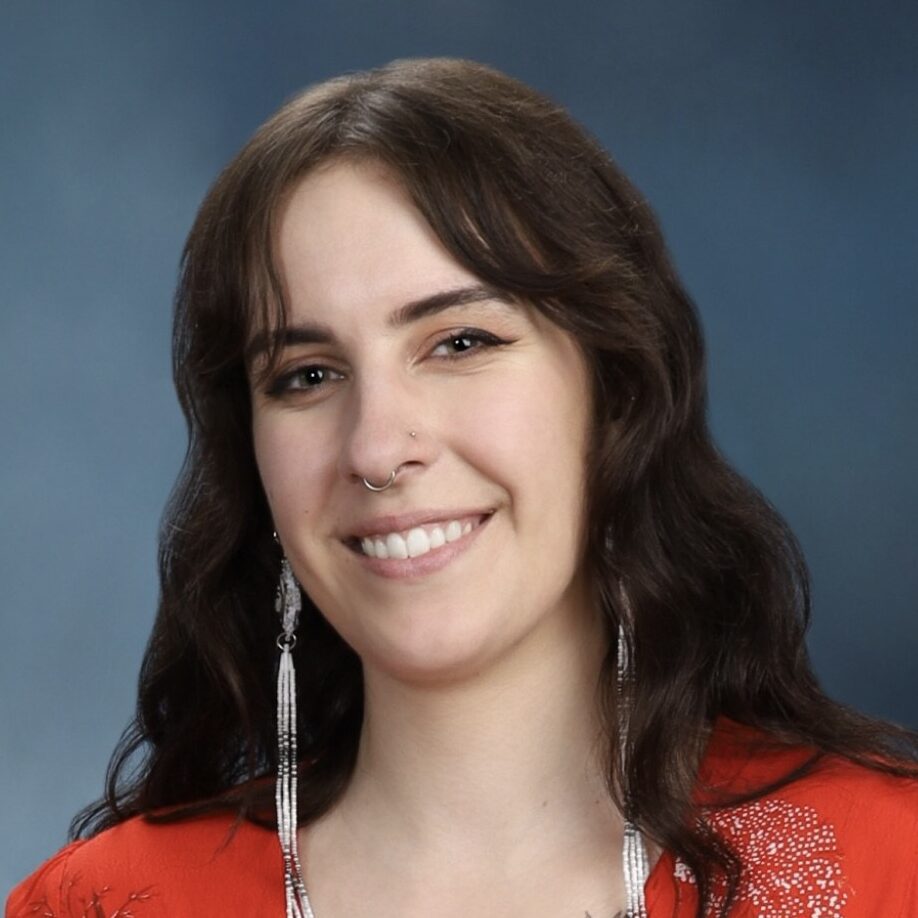
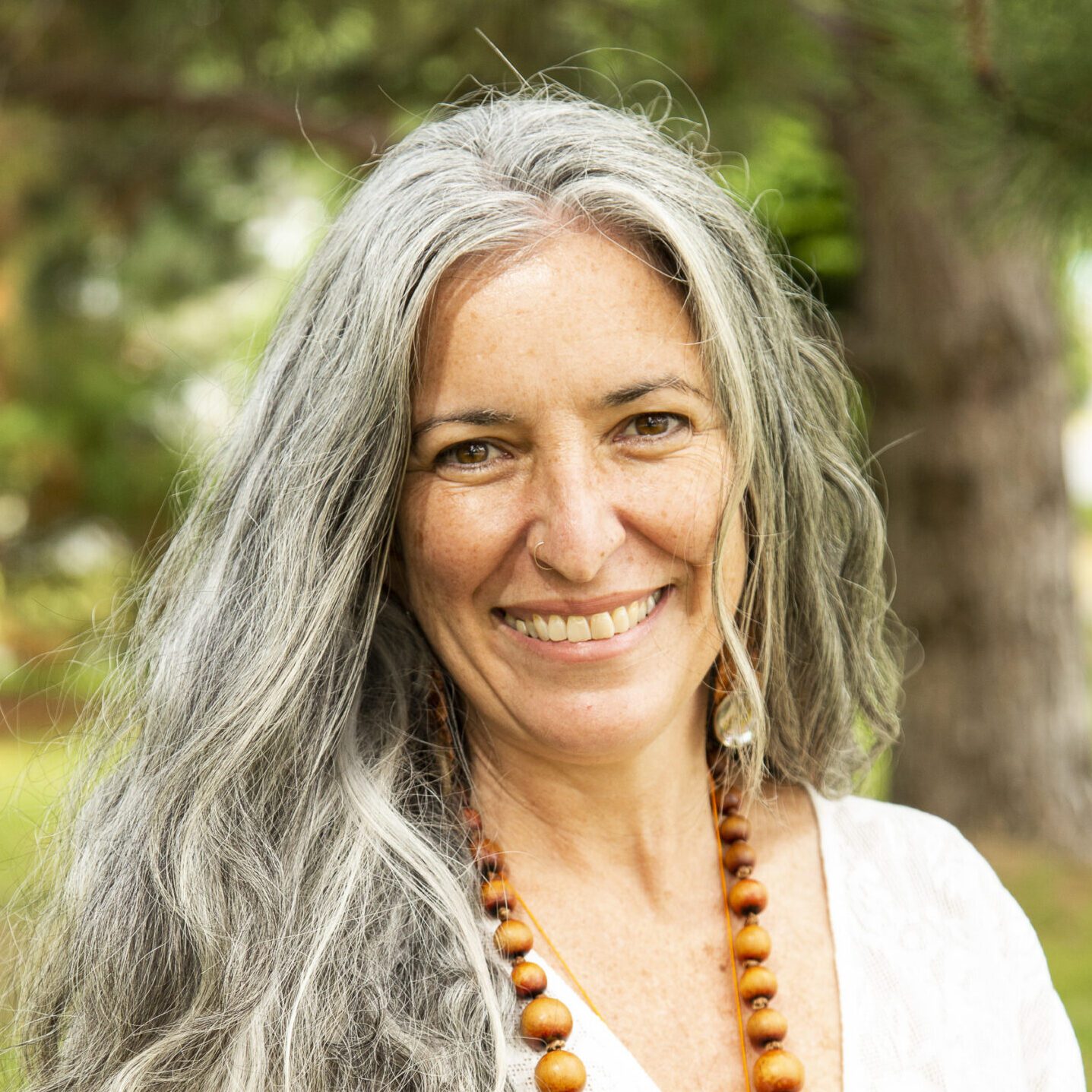
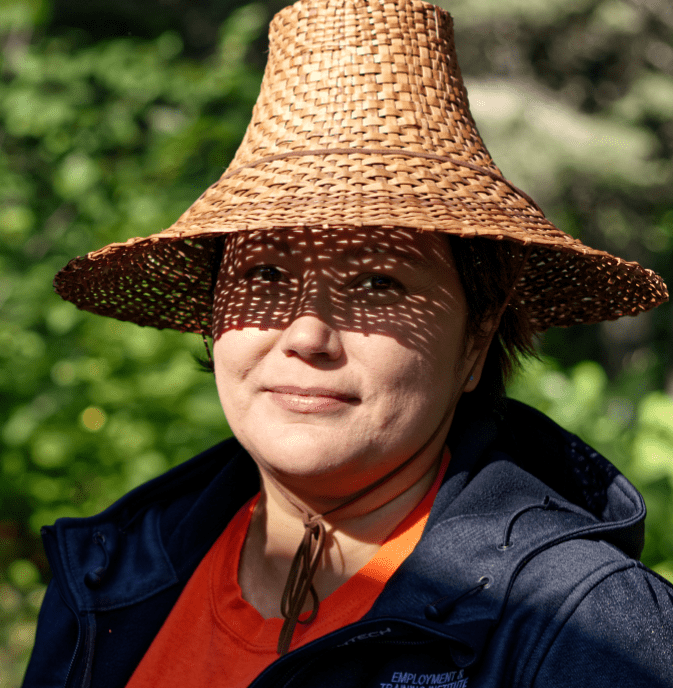
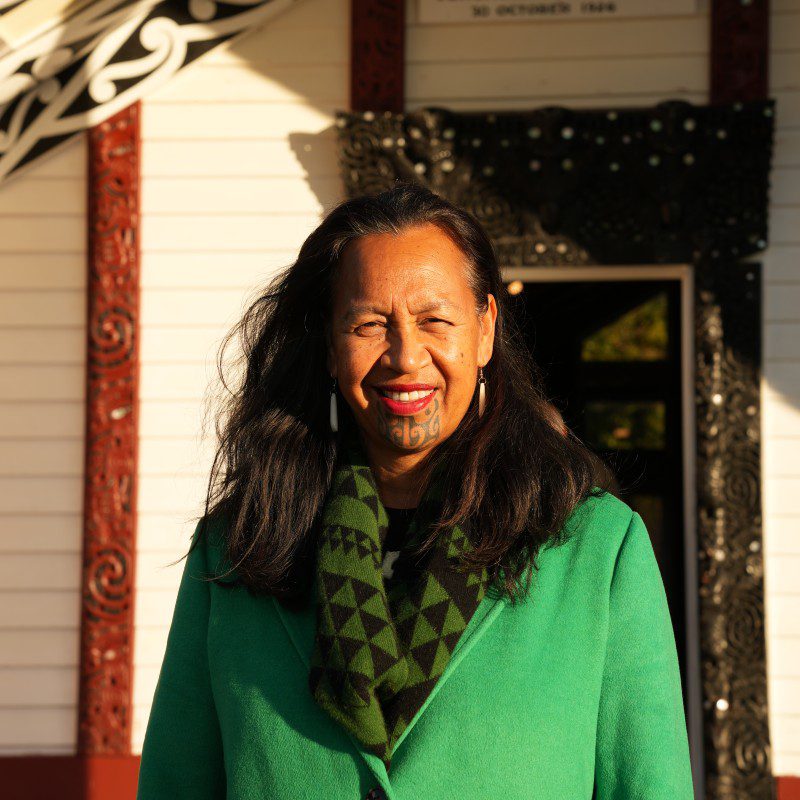
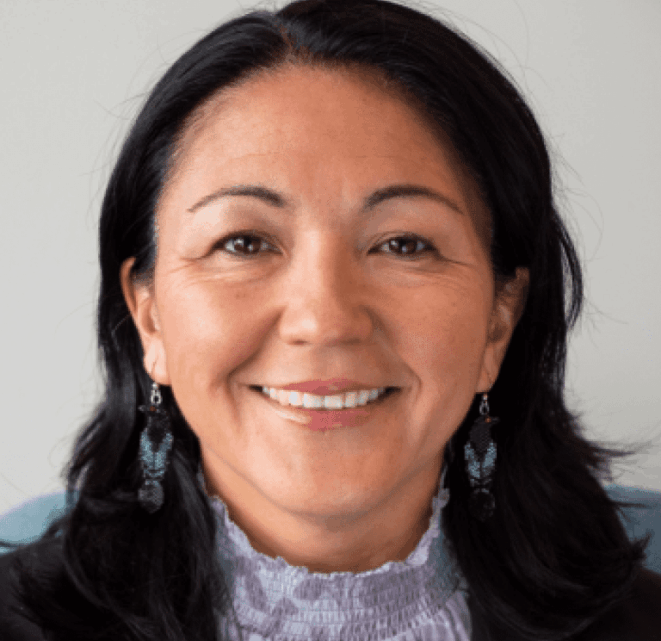
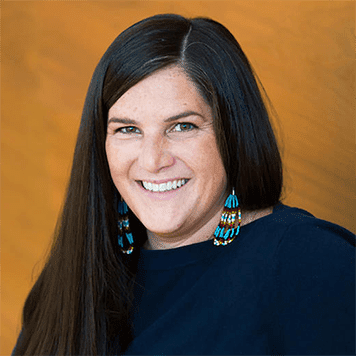
This course features 13 leading experts from across Canada and internationally — a mix of Indigenous and settler scholars, environmental scientists, and rights advocates. Their interviews form the backbone of the course’s 8 podcast-style episodes.



FAQs Prospective Students
Assignments are all individual, and will be submitted online. There are timelines for assignments, to support engagement with peers and instructors grading. Assignments are primarily a way to benchmark your learning, and keep you on track to complete the course.
At your own pace means that you will be able to conduct weekly assignment and do weekly readings at times that work for you, there are no synchronous requirements for this course- or set times where you are required to be present. There are deadlines for assignments that you will need to meet, as well as weekly readings and podcasts that it is expected you will engage with on a weekly basis.
Reach out to us and we can discuss!
We plan on offering it again in 2027, but we are not sure when due to our resources. It is best to take the course when it is open – which is right now!
This course is intended to provide you with the necessary knowledge and skills to engage with Indigenous Nations, and support Nation-led processes. It is not a guideline to conducting an assessment, as each Nation’s approach will differ, but it will provide examples of potential approaches.
Access to the internet, reading and writing proficiency of English
Absolutely, this course has been built with the intention of building foundational knowledge of terminology, legislation, and different approaches to conducting cumulative impact assessment in a Nation-driven manner. The first half of the course is about building knowledge for you, while the second half of the course dives into Nation specific examples.
dddddddddddddd
dddddddddddddddddd